
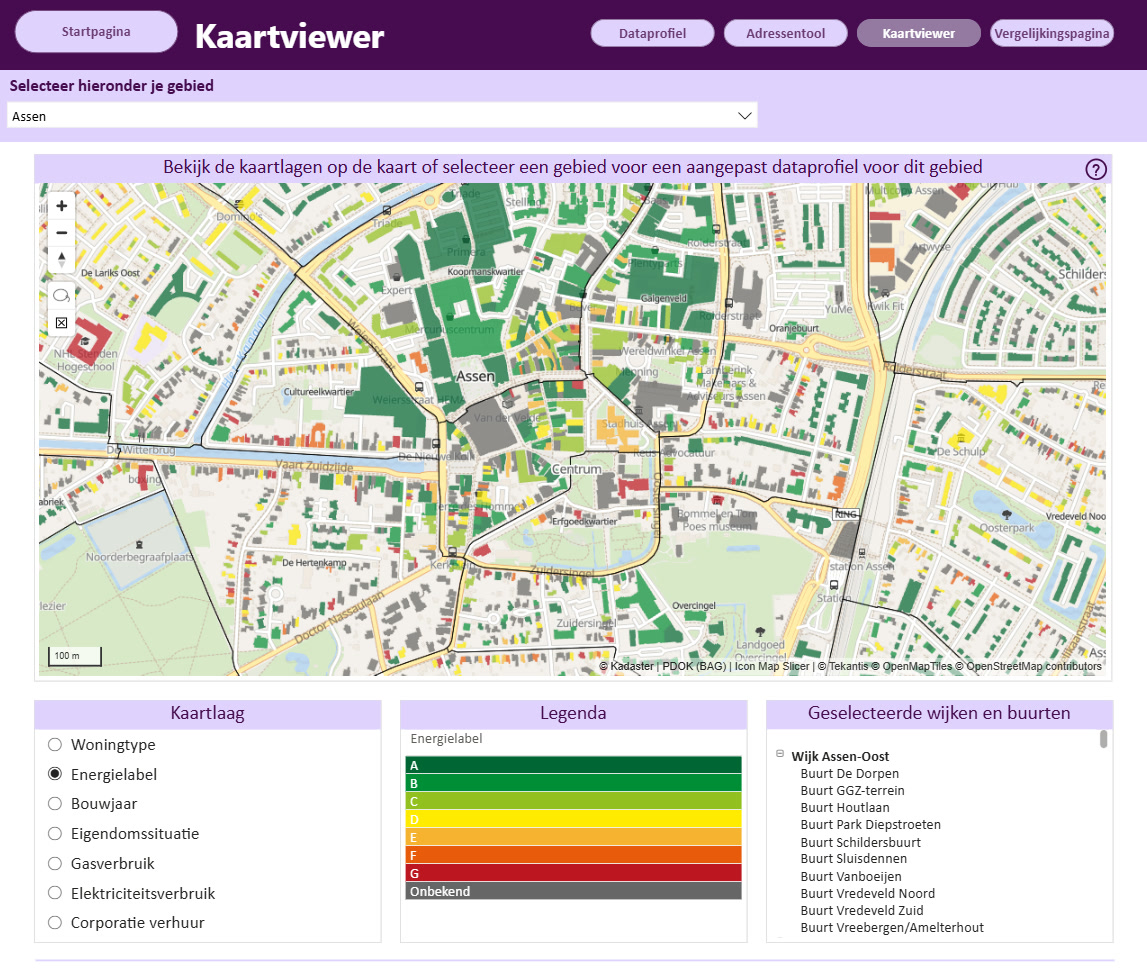
Turning Every Building in Drenthe Into a Filterable Energy Map
For the Province of Drenthe, seeing energy data building by building opens up a much clearer picture of what is happening on the ground.
Icon Map helps CPG teams bring together retail, trade, supply, and sustainability data in spatial context to drive growth, optimize execution, and strengthen resilience.
Fuse distributor, retailer, and trade‑spend data in spatial context to sharpen execution, reduce leakage, and accelerate profitable growth.
Reveal distribution gaps and overlaps across regions. Optimize territories and visit plans to balance reach, efficiency, and cost‑to‑serve.
Compare uplift to baseline sales by retailer and region. Prioritize spend on the most effective campaigns and reduce waste in underperforming markets.
Map price corridors and elasticity across micro‑markets. Align pack sizes and price points to consumer purchasing power and competitive dynamics.
Monitor distribution build, availability, and early out‑of‑stocks by region or cluster. Rapidly identify lagging territories and reallocate support.
Allocate logistics, handling, and trade costs by SKU, lane, and customer. Expose unprofitable combinations and enable better channel and assortment decisions.
Track store‑level compliance, shelf availability, and display coverage. Benchmark performance across regions to ensure consistent market presence.
Real Icon Map renders of two commercial questions - who leads where, and where the network does not reach - built from a store list and a demand table. Drive times are computed client-side on Icon Map's routing engine; no location data leaves your tenant.


The same layers drive territory design, route-to-market flows, launch tracking by store, and field-visit planning. Icon Map for Microsoft Fabric is in private preview - join the wait list to run these analyses on your own data.Icon Map for Microsoft Fabric is generally available - start a free 30-day trial from inside Fabric or buy a plan to run these analyses on your own data. The same map, chart, and cross-filter machinery is available today in Icon Map Pro for Power BI.
Brands and locations are synthetic; the drive-time, aggregation, and rendering engines are the shipped product.
Combine production, inventory, and distribution data in spatial context to optimize service levels, cut stock‑outs, and improve profitable growth.
Plan production and inventory allocation by retailer distribution center (DC) catchment. Anticipate demand surges and rebalance stock to minimize shortages and costly changeovers.
Track On‑Time In‑Full and case‑fill metrics by lane, DC, and customer. Drill through to root causes such as transport bottlenecks, plant delays, or co‑packer shortfalls.
Surface hotspots for yield loss, waste, downtime, and excess energy use across multiple plants or partner co‑packers. Prioritize improvements where they have the highest financial and service impact.
Monitor temperature compliance and freshness exposure across routes. Identify risk points in chilled or frozen supply chains to safeguard quality and reduce returns.
Follow production lots from plant to DC to retail region. Rapidly pinpoint exposure in the event of safety issues, supporting regulatory compliance and consumer trust.
Overlay emissions, packaging waste, and energy intensity by plant, lane, or region. Strengthen ESG reporting while building resilience against climate or supply shocks.
Bring consumer, retail, and sustainability data into spatial context to drive stronger category roles, targeted investment, and long‑term brand growth.
Tailor product ranges by retailer cluster or micro‑market. Match local consumer preferences to lift on‑shelf availability, increase basket size, and reduce unnecessary SKUs.
Enable portfolio‑level maps with instant drill‑down to category roles, shelf‑space benchmarks, and performance by retailer. Support stronger collaboration with key accounts.
Blend point‑of‑sale, weather, seasonal, and event data to predict near‑term demand lift by area. Anticipate spikes and allocate stock more accurately.
Map image‑recognition or audit findings to detect shelf gaps, pricing errors, and planogram violations. Target repeat offenders to improve execution discipline.
Quantify transport emissions, packaging waste, and recovery rates down to H3 grid cells. Support corporate ESG reporting and identify hotspots for improvement.
Identify underserved regions, missed product segments, or channel gaps. Prioritize new product launches and category expansion where growth potential is highest.
Our customer success stories
For the Province of Drenthe, seeing energy data building by building opens up a much clearer picture of what is happening on the ground.

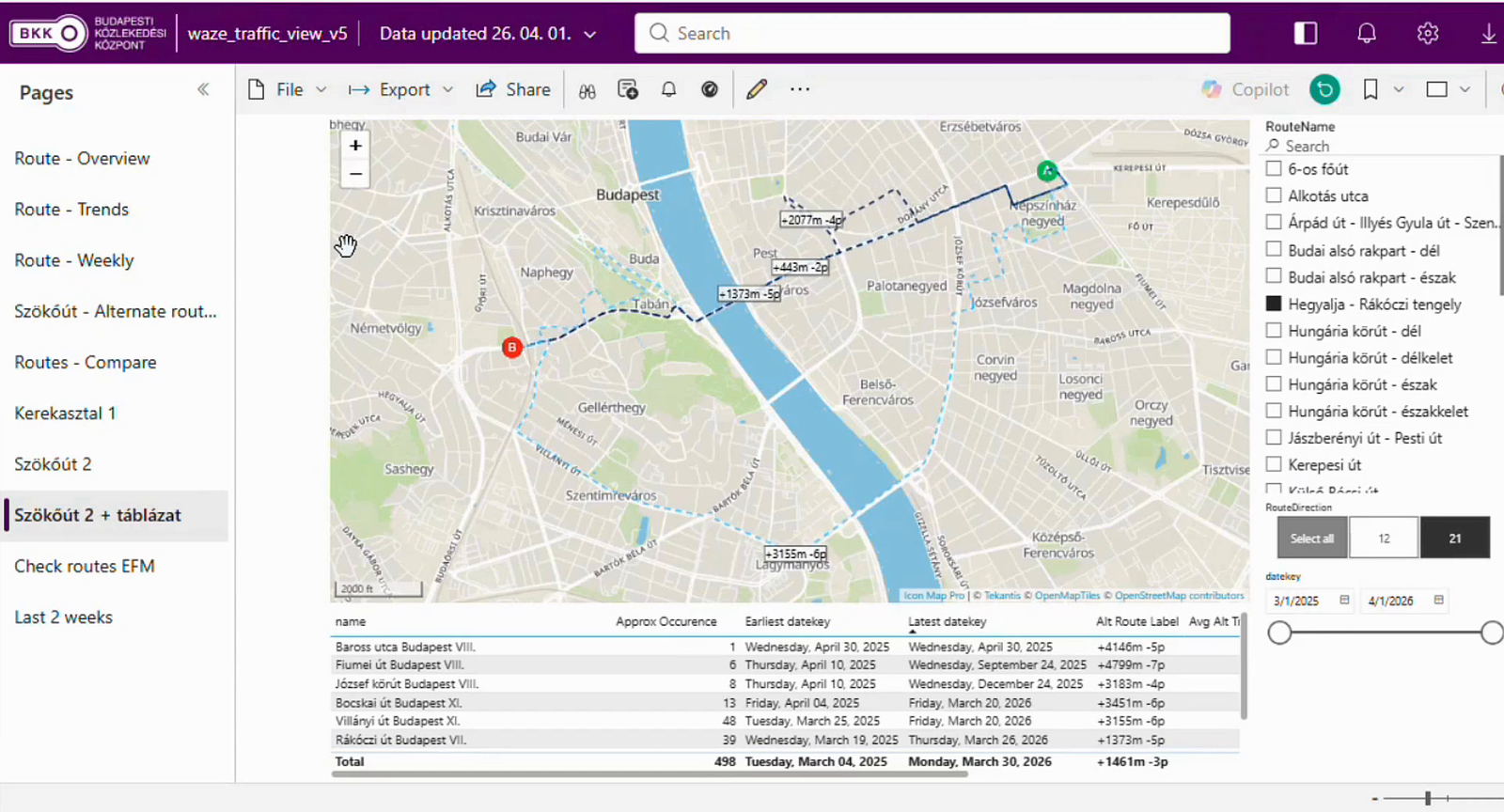
BKK, the Centre for Budapest Transport, is the organization behind the trams, buses and trolleybuses that move people around Hungary's capital, and its remit reaches well past the vehicles themselves. It also coordinates the city's shared bikes and e-scooters…

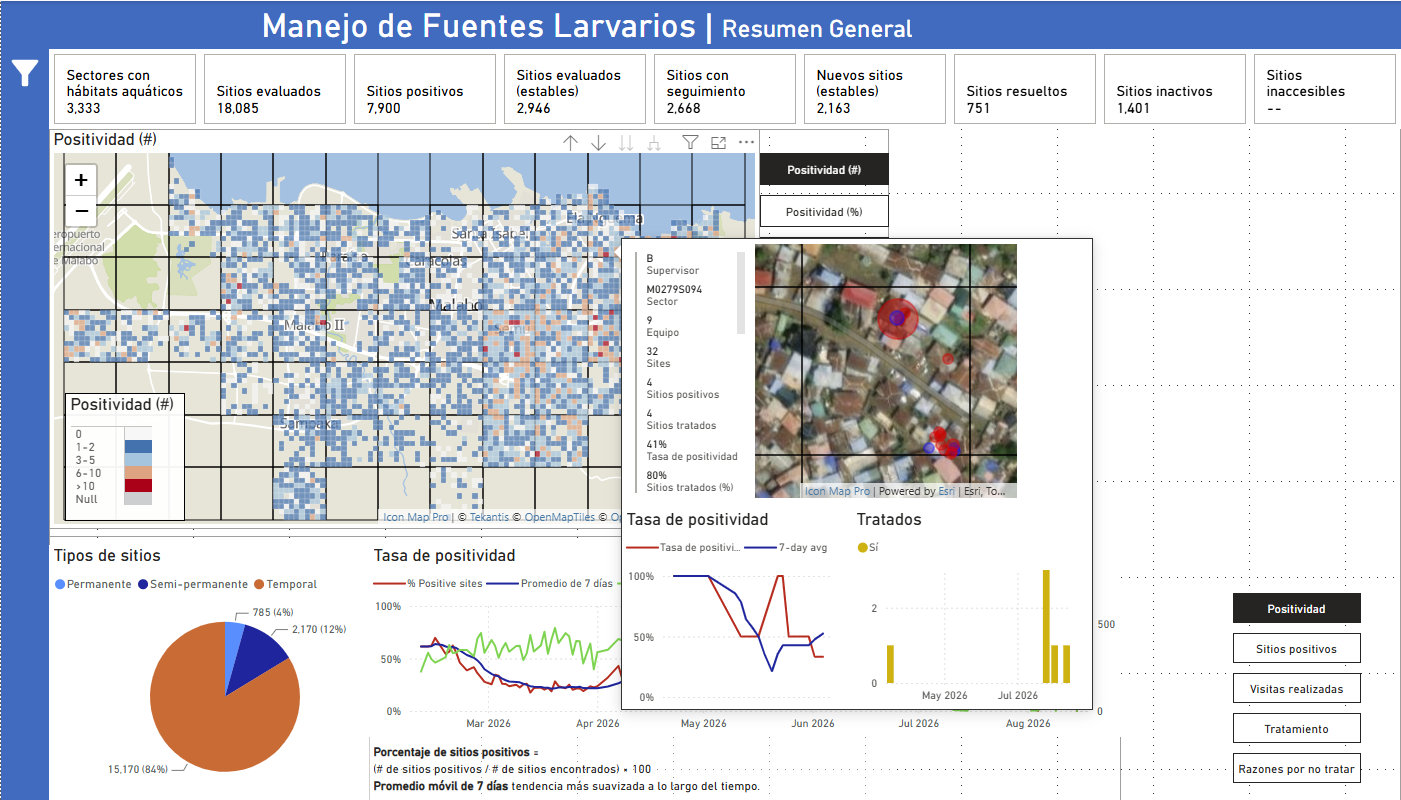
MCD Global Health is a public health nonprofit headquartered in Maine, working across more than 50 countries to design and implement health programmes that genuinely change lives. Their international work spans malaria, cervical cancer, health systems strengt…
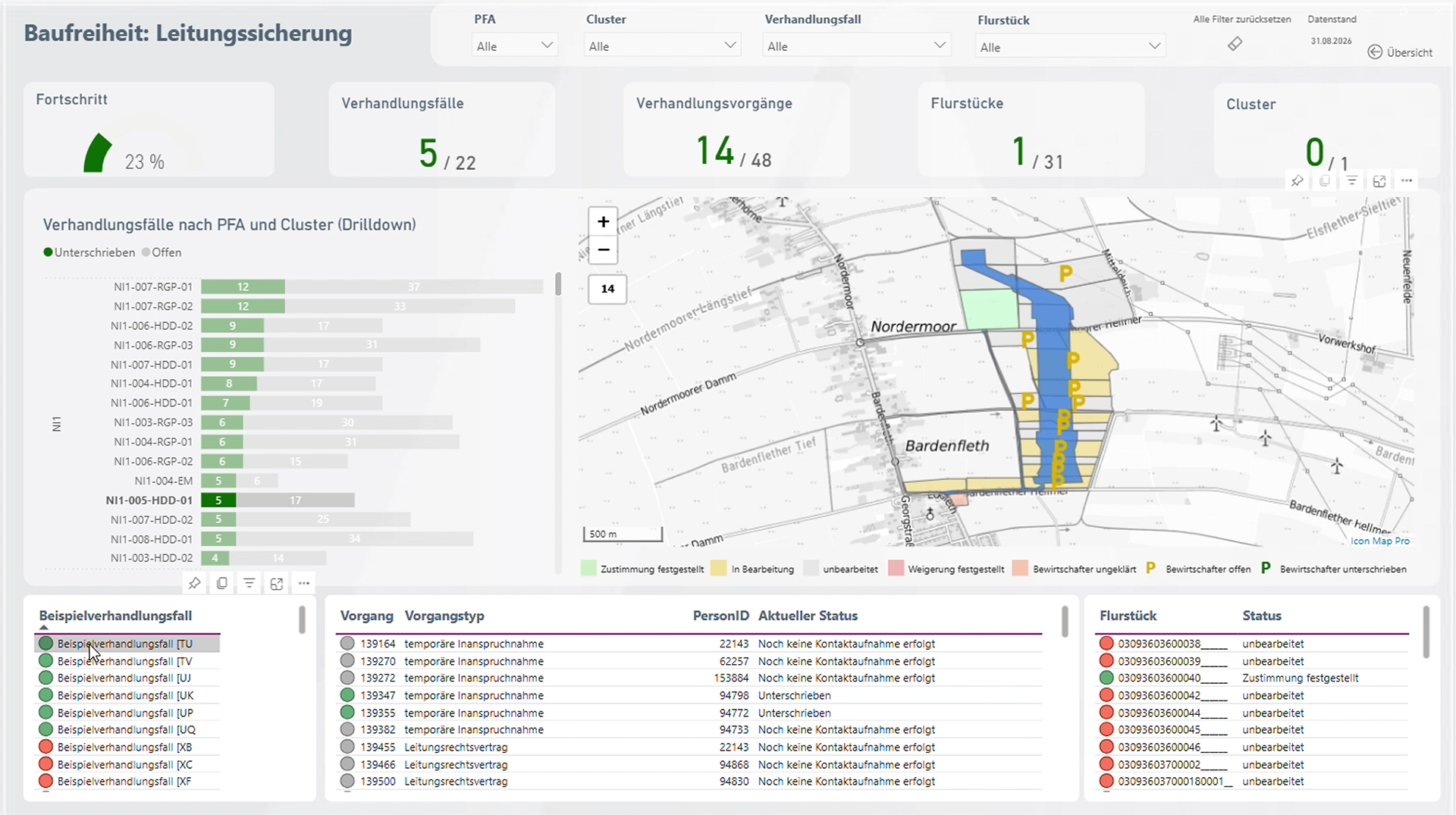
Amprion is one of Germany’s four transmission system operators, responsible for operating and expanding a critical part of Germany’s high-voltage electricity grid. Among its major infrastructure programmes is the Rhein-Main-Link, a planned underground HVDC c…

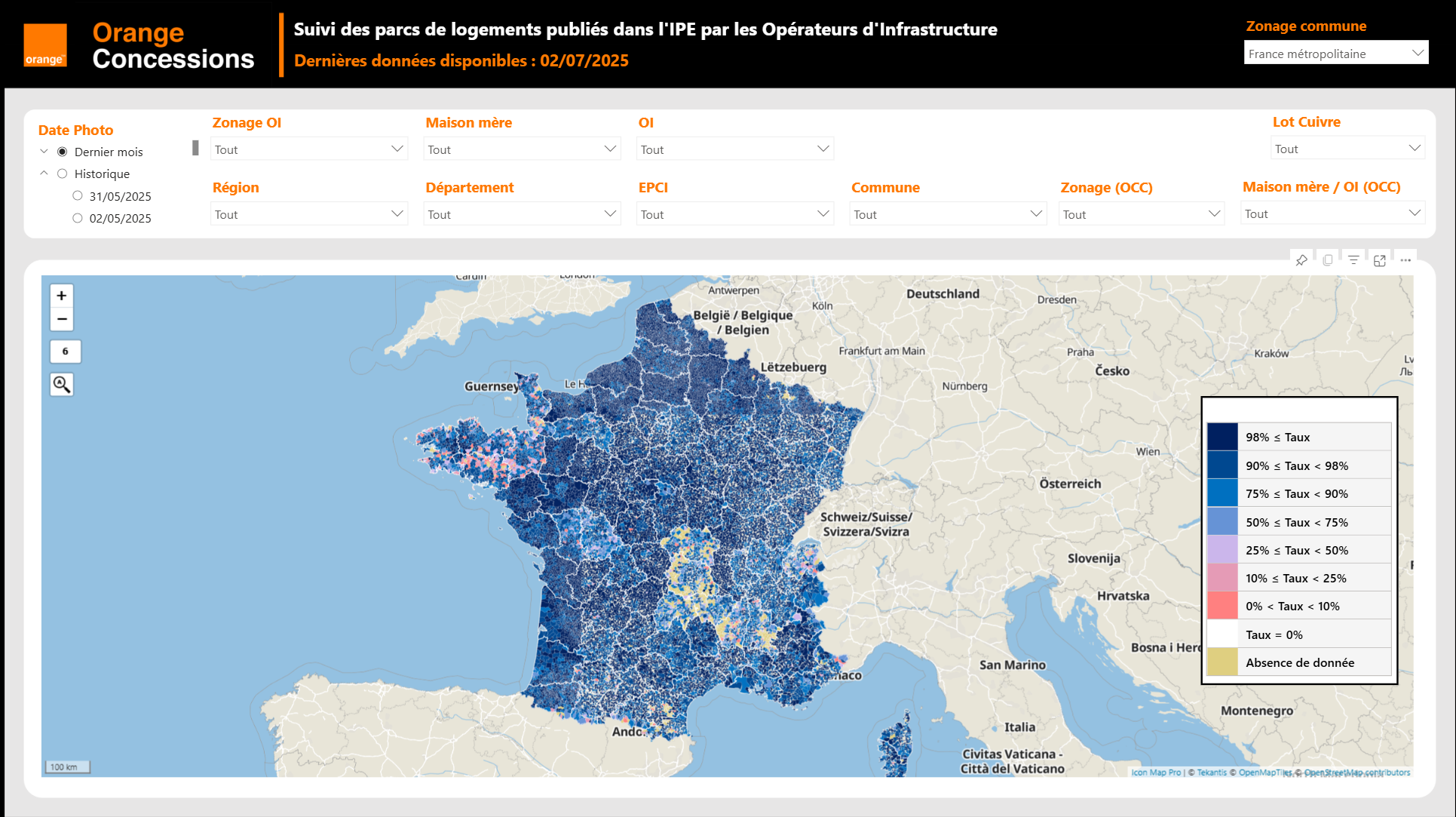
Orange Concessions is the leading public-private fiber network operator in rural France. Through long-term public service delegation contracts, it manages a rapidly expanding network infrastructure designed to bring high-speed broadband access to underserved…

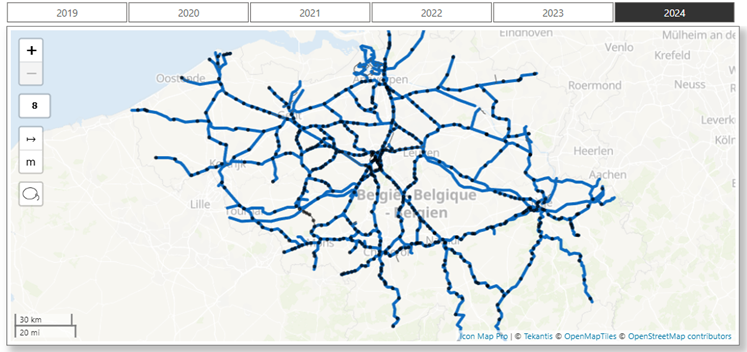
Safety is a cornerstone of SNCB’s operational strategy. As Belgium’s national railway operator, SNCB places significant emphasis on the safety and security of both passengers and staff. CEO Sophie Dutordoir recently stated that all employees' work "deserves r…